
Segmentation
A map of the process, not of sales: combine volume and draw savings from the supplier's core competence.
 1 / 2
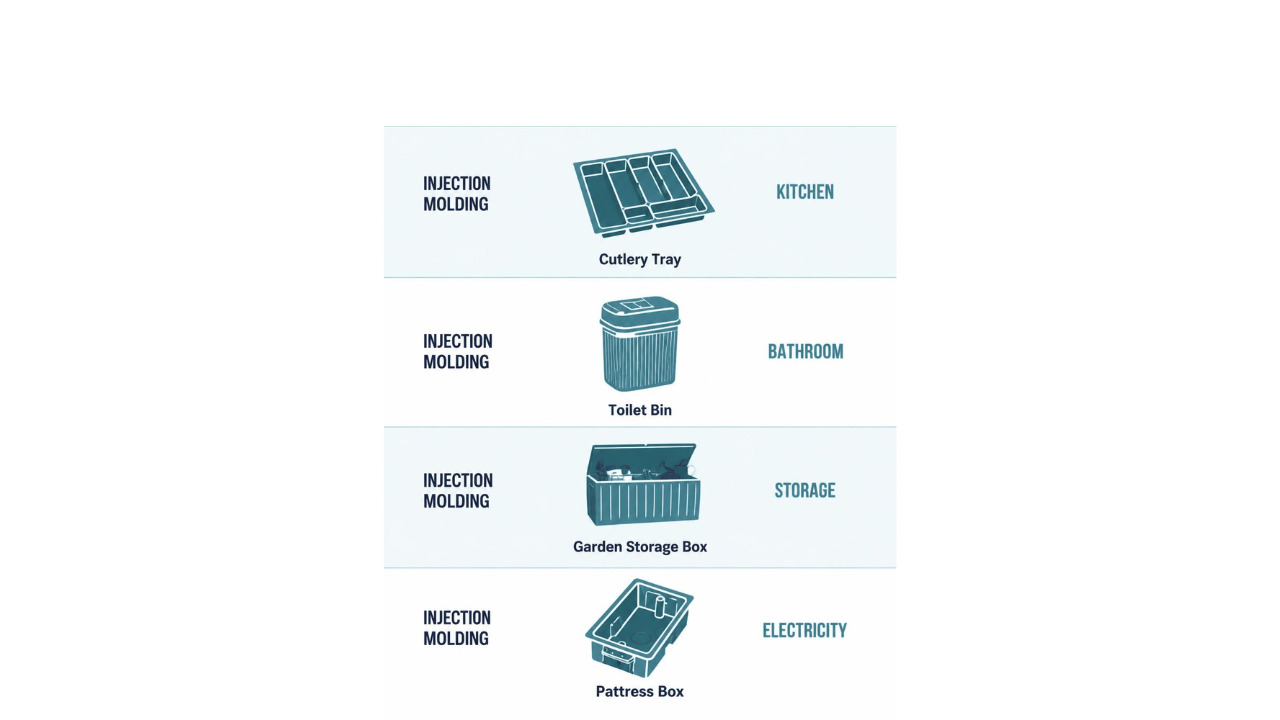
What is procurement segmentation and why is it critical? Segmentation means seeing supply through the lens of cost drivers — not only raw materials, but also labour, logistics, depreciation, various processes and R&D. The aim is to sniff out the money and find the big bottlenecks in the profit margin.
What we will cover
- Why segmentation matters: Grocery, electronics and DIY categories serve the customer and the sales team; why the same categories lose their meaning in supply
- The risks of not segmenting: Failing to see economies of scale, limited negotiating power with monopoly suppliers and serious margin loss
- Linear Performance Pricing (LPP): LPP shows the way — a white goods manufacturer revealing cost deviations by comparing the cost per kilogram of steel in its dishwashers, refrigerators, microwaves, ovens and hobs
- Not being able to buy cost drivers separately: Because you buy the finished product from the supplier, careful management of contracts so as not to be held responsible for problems between Tier 1 and Tier 2
- Starting with small steps: Starting with small, incremental segmentation projects before making big changes
- Specialist roles: Roles in the team focused on segmentation expertise — for example, a plastic injection and polymer specialist
Case study
Using the example of electrical household appliances, we work on a real segmentation proposal that combines volume according to the supplier's process rather than the sales shelf; a well-known furniture retail example is used to discuss the power of buying manufacturing competence rather than the product.
A single Tuesday-morning session, 2 hours, hands-on; all you need to bring is your laptop. When applied in-house, this work can be taken further with real data as a separate consultancy project.