
Negotiation Techniques, TCO and the 90-Day Action Plan
From BATNA, ZOPA and TCO to 9 core techniques; recognise counter-tactics and build the negotiation around your maturity level.
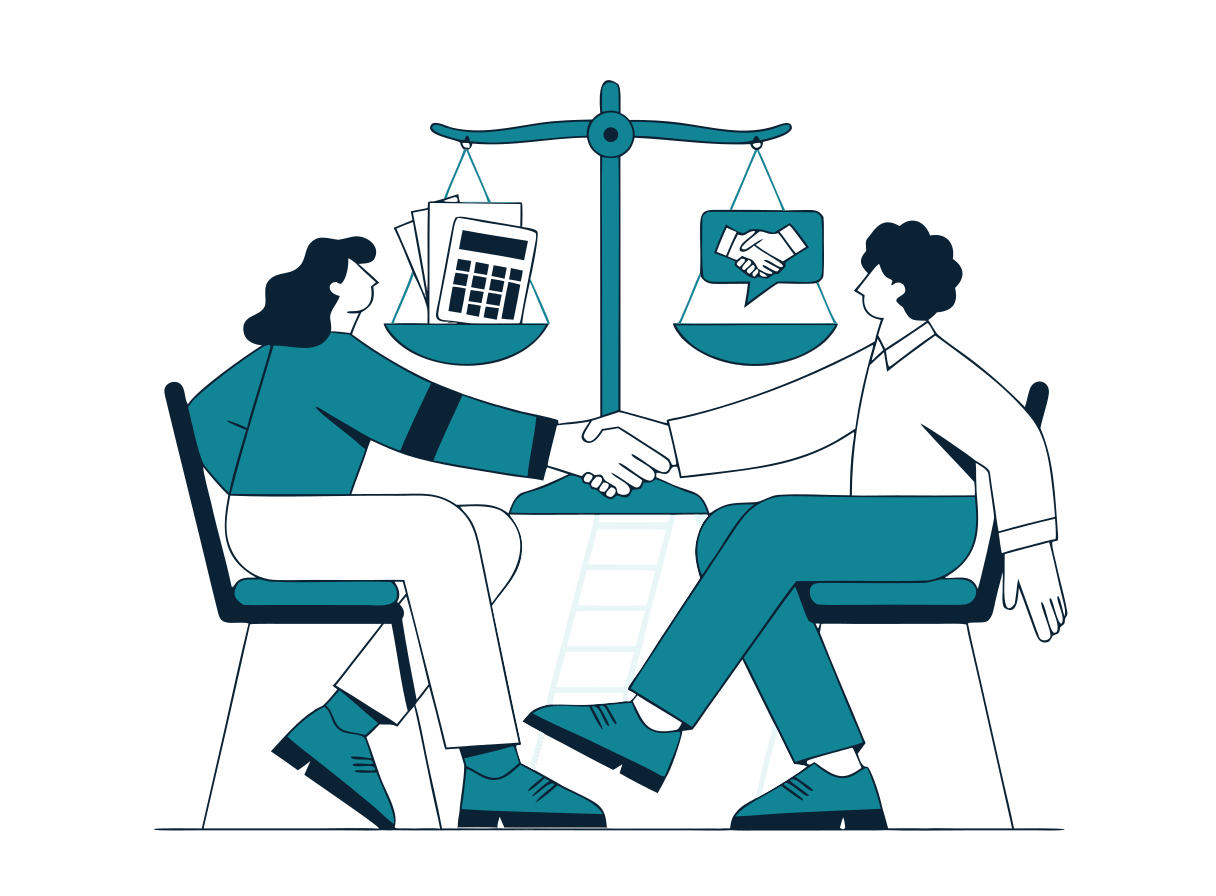
This module is the programme's step down to the negotiating table: the preparation tools that manage the numbers (BATNA, ZOPA, TCO) and the techniques that manage the communication come together at the same table, and the module closes with the first 90-day plan you will apply in your own company.
What we will cover
- The three numbers of negotiation: BATNA, reservation point and ZOPA; calculating the zone of possible agreement, and why walking away from the table is rational when there is no ZOPA
- What gets played on you at the table: The numbers game, higher-authority and lower-authority tactics — each with its antidote
- A glossary of classic tactics: Anchoring, salami, nibbling, good cop/bad cop, artificial deadline pressure, silence, false scarcity and technical jargon — recognising and defusing them
- 9 core techniques: Chris Voss's repertoire adapted to the procurement table — mirroring, tactical empathy, calibrated questions and others
- TCO — total cost of ownership: Reducing offers to a single basis with corrections for freight (Incoterm alignment), payment terms, MOQ and scrap
- MOQ and payment term formulas: Converting the minimum order quantity into inventory carrying cost, and payment terms into financing cost
- 90-day action plan: The plan you will apply in your company for procurement transformation and maturity integration — the first round of a cycle that runs from spend analysis to the first negotiation and is completed over 12 months
Case study
A TCO case with three offers is first solved by hand, with a calculator: the winner on the price tag and the winner on real cost turn out to be different, and when the gap is converted into an annual figure, the cost of deciding without normalisation becomes clear. The case closes by setting the opening position for sitting down at the table with the winning supplier.
A single Tuesday-morning session, 4 hours, hands-on; all you need to bring is your laptop. The tools of the earlier modules (cost breakdown, index, scoring) come together at this table — taking the modules in sequence is recommended.